Why Employee Retention Is Crucial for Business Growth
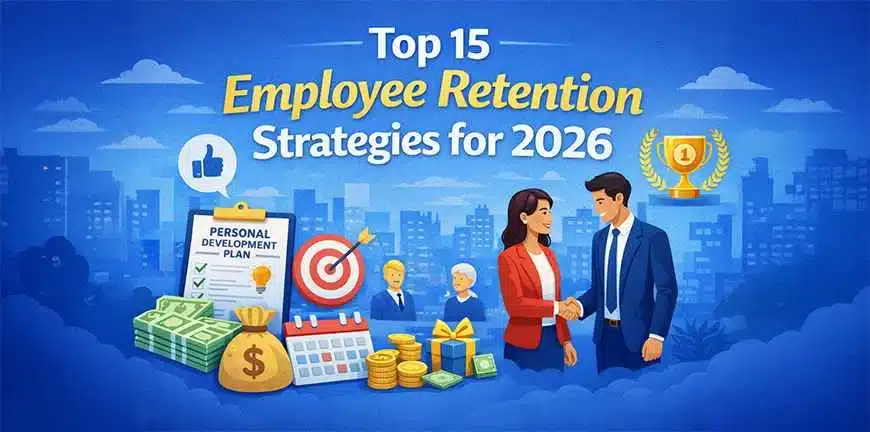
Retaining top talent is one of the biggest challenges facing organizations in 2026. With rising competition, evolving employee expectations, and the costs associated with turnover, HR leaders must prioritize retention strategies. Effective employee retention not only reduces hiring costs but also strengthens workplace culture and drives sustainable business growth.
Key Strategies to Retain Top Talent
Competitive Compensation and Benefits
Fair and competitive pay remains a cornerstone of employee retention. In 2026, organizations are enhancing benefits packages with health insurance, retirement plans, and wellness perks. Offering personalized benefits, such as childcare support or flexible allowances, helps employees feel valued and secure.
Career Development Opportunities – Mentorship, Training, Promotions
Employees want clear career paths. Mentorship programs, regular training, and transparent promotion policies encourage growth and loyalty. HR retention tips emphasize continuous learning opportunities that align with both employee aspirations and organizational goals.
Positive Workplace Culture – Inclusion, Feedback, Recognition
A strong workplace culture fosters belonging and motivation. Companies are investing in inclusive practices, regular feedback sessions, and recognition programs to celebrate achievements. This not only boosts morale but also reduces employee turnover by creating a supportive environment.
Flexibility and Work-Life Balance – Remote Work and Flexible Schedules
Flexibility is no longer optional it’s expected. Remote work options, flexible schedules, and policies that support work-life balance are key to keeping employees engaged. Organizations that prioritize flexibility see higher satisfaction and retention rates.
Employee Feedback and Engagement Surveys – Listening to Employees
Retention strategies must be data-driven. Regular engagement surveys and feedback mechanisms allow HR teams to identify issues early and respond effectively. Listening to employees builds trust and ensures that retention efforts are aligned with real needs.
Conclusion: Implementing Retention Strategies to Future-Proof Your Workforce
Employee retention in 2026 requires a holistic approach competitive compensation, career development, workplace culture, flexibility, and active listening. By implementing these strategies, organizations can reduce turnover, strengthen engagement, and build a future-ready workforce.